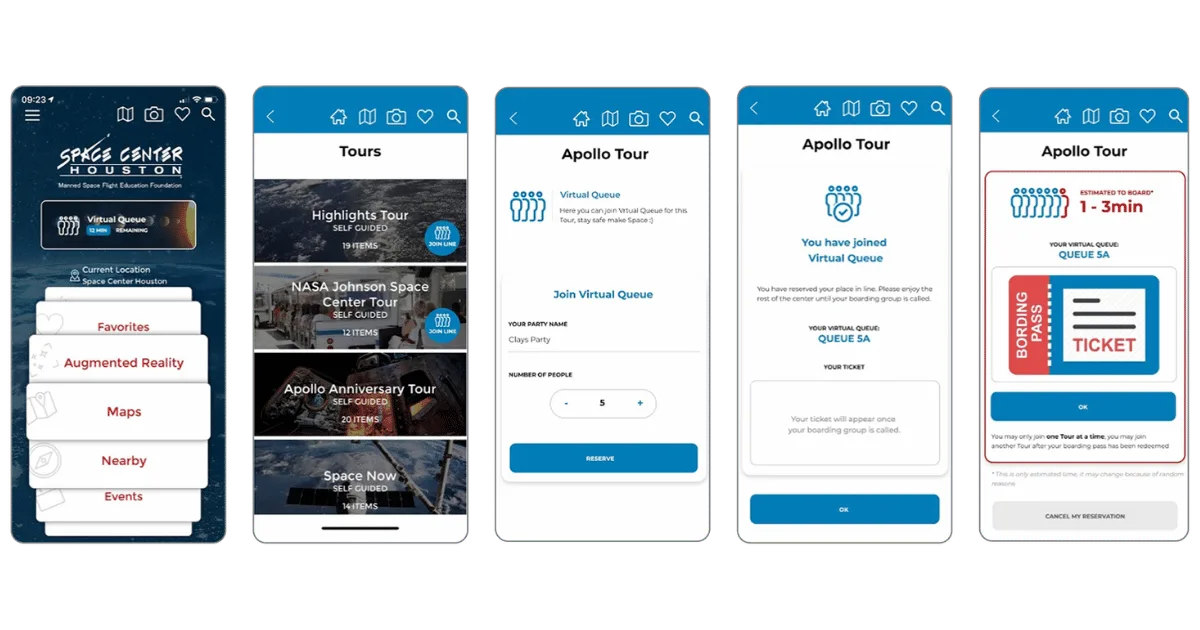
Virtual Queue - Elevate how your visitors wait
Elevate how your visitors wait with Virtual Queues




Cultural institutions juggle a lot at once. Technology keeps changing, visitor tastes and expectations keep evolving, and fluctuating economic and political environments can destabilize funding. In uncertain times, museums have to focus on the same things every organization does: running efficiently and growing revenue. But where to start? Data.
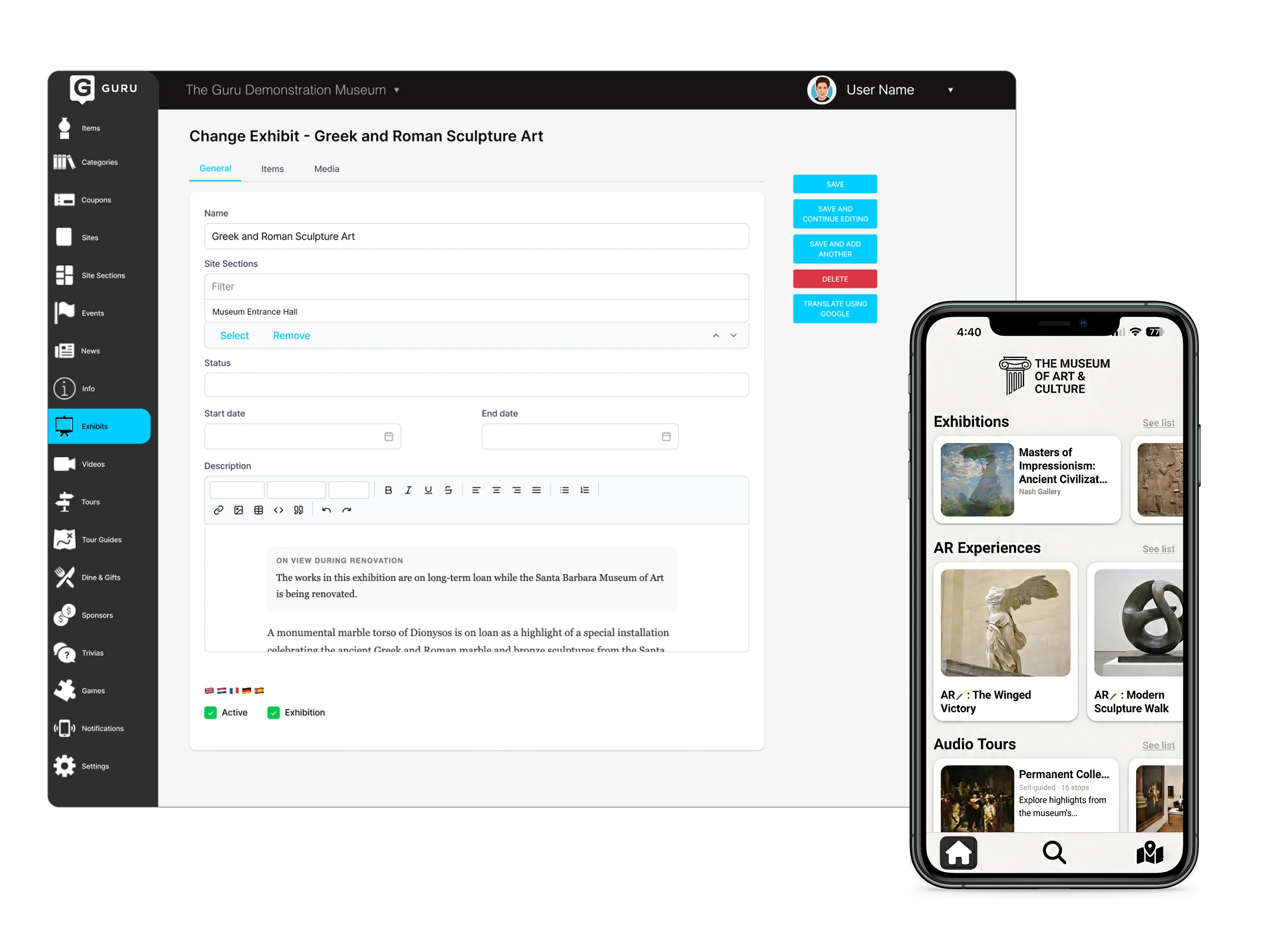
The term, coined in the early 2000s, describes the large volume of data that flows through organizations every day. Data by itself doesn’t mean much — it’s what you do with it that counts. Whether it’s gathered through wifi, internal software, or visitors’ own devices, there is a host of things museums can learn about their operations and visitor behavior. That knowledge can help you tailor the visitor experience and use museum dollars more wisely, so cultural resources stay open to the world for generations to come.
From tailoring exhibits to making sure your message reaches the right audience, data can increase revenue and make operations more efficient. Take The Art Institute of Chicago. They spent time and resources building an internal method of looking at attendance data. At first glance, nothing jumped out — but looking at the data a different way, a pattern emerged. Read the full story.
This is why engagement analytics are built into our own platform. Heat map reports like the one above show where visitors spend the most time, so decisions about exhibits and staffing can start from evidence rather than guesswork. You can see how that works on our CMS and analytics page.
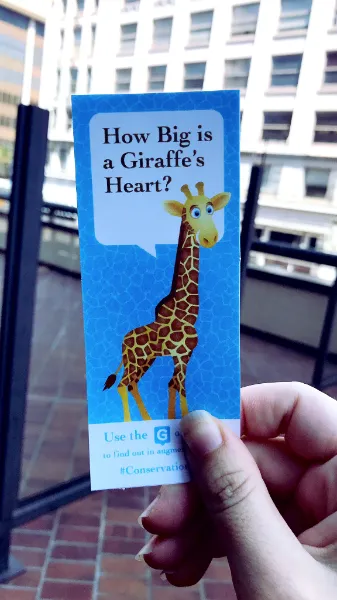
When we released our app for The Living Desert Zoo and Gardens, it included several features designed especially for zoos and aquariums:
Around the same time, we user-tested a new HUP 2 Helicopter VR experience for the Battleship IOWA at LA Fleet Week, which let users fly around a Battleship on an obstacle course or go on a rescue mission.
Wondering what your own visitor data could tell you? Learn more about Guru, or read more insights from the Guru team.
Behind the scenes of how we turn museum stories into interactive, accessible experiences - plus what we’re learning along the way