Case Study: John Deere
Introducing Visit John Deere - The App Experience!




At MCN 2021 we shared early data from three museums to answer a question many institutions were asking:
Did the pandemic make visitors more willing to use museum apps?
At the time, the answer appeared to be yes.
Today, with several more years of data and experience, we'd answer that question a little differently.
The pandemic did not suddenly convince visitors to download museum apps. It encouraged museums to rethink how digital experiences fit into the visitor journey.
That distinction matters.
When institutions treated their app as an essential part of the visit instead of an optional add-on, visitors responded.
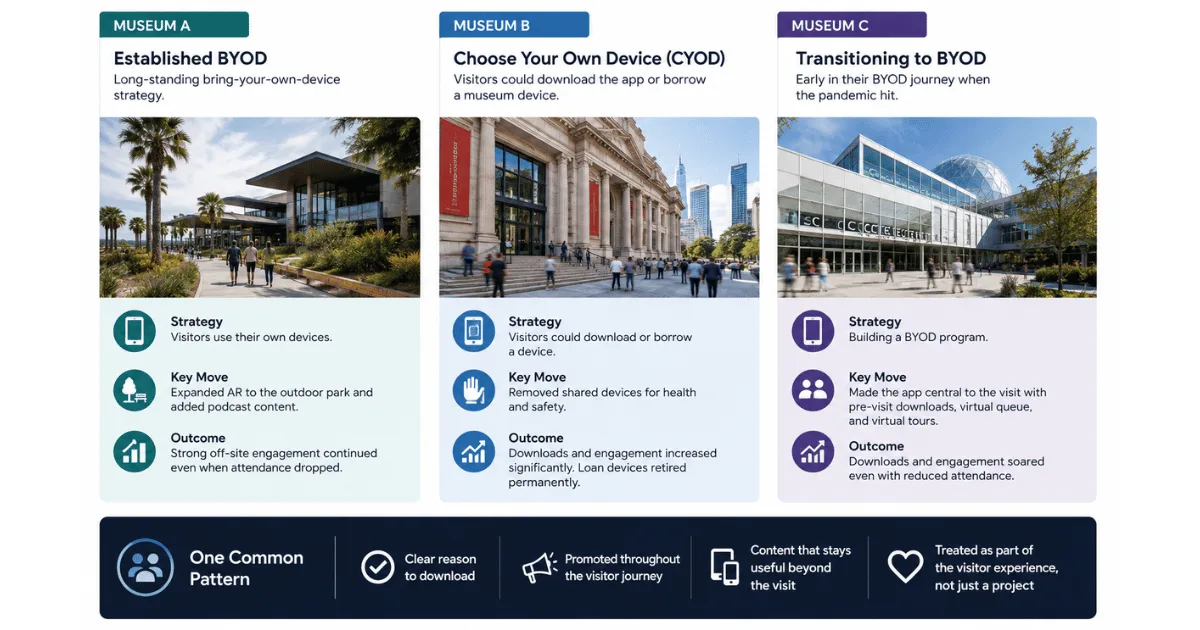
The institutions we examined were very different.
One had already embraced a bring-your-own-device (BYOD) strategy.
Another offered visitors a choice between downloading the app or borrowing a museum-owned device.
The third was only beginning its transition away from loan devices.
Different audiences.
Different operating models.
Different lockdown experiences.
Yet all three showed remarkably similar trends.
Not because of the pandemic itself, but because each institution changed how it used its digital experience.
Attendance fell dramatically during lockdowns, as expected.
What surprised us was that app engagement did not disappear with it.
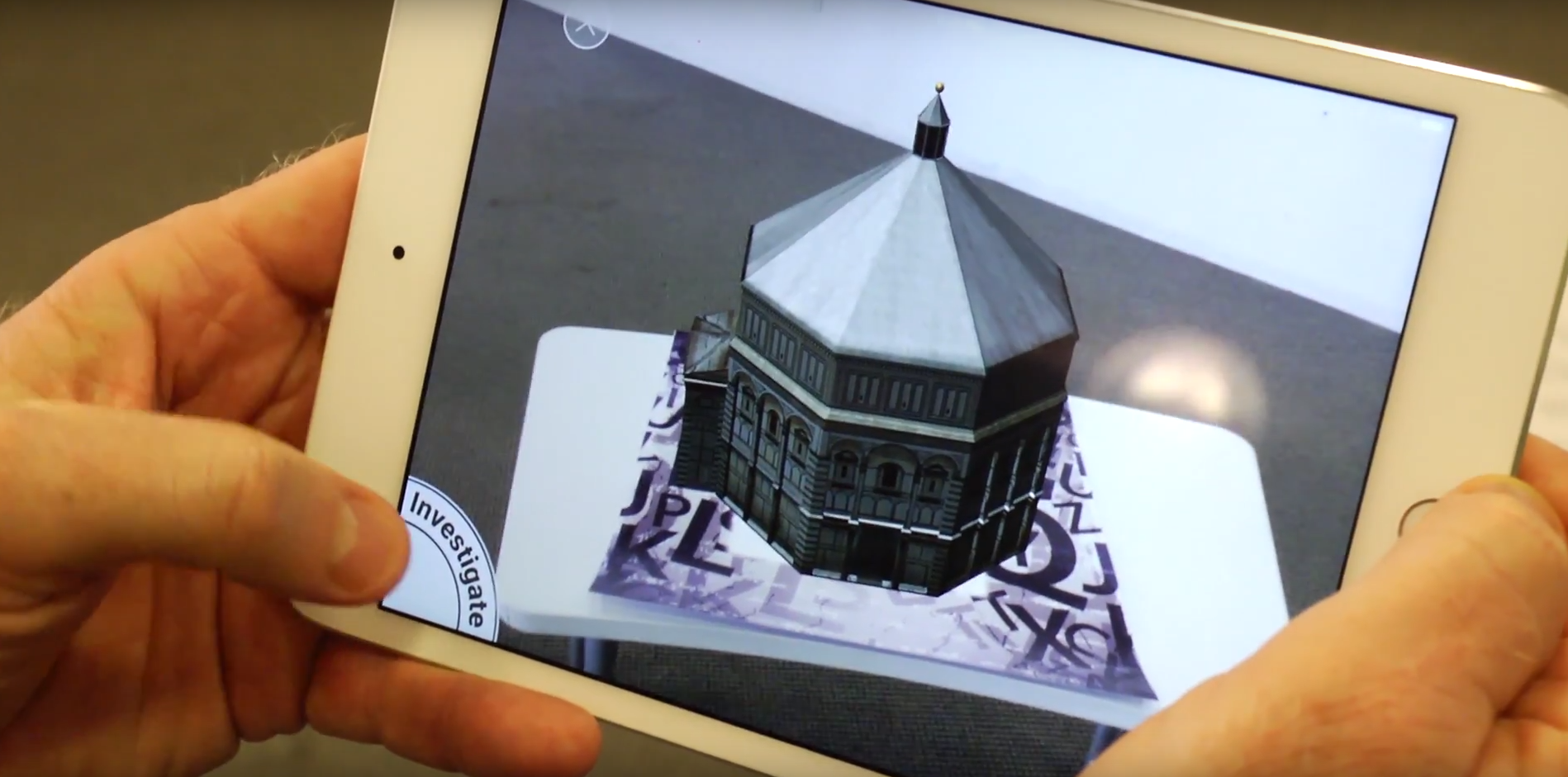
Visitors continued using the app away from the museum, exploring audio content and augmented reality experiences that had been expanded into the surrounding park.
Rather than waiting for visitors to return, the museum gave them new reasons to stay connected.
The lesson wasn't simply that people would use an app at home.
It was that relevant content creates lasting engagement, regardless of location.
Before the pandemic, visitors could either download the app or borrow a museum device.
When shared devices were removed for health and safety reasons, downloading became the primary option.
Download rates increased significantly.
The museum discovered something important.
Visitors were comfortable using their own phones when the experience was easy to access and clearly presented as part of the visit.
The results were so successful that the institution permanently retired its loan devices.
The strategy changed.
The visitor behavior followed.
The third museum made perhaps the biggest operational changes.
Rather than simply replacing printed materials, the app became part of how the museum operated.
Visitors were encouraged to download before arriving.
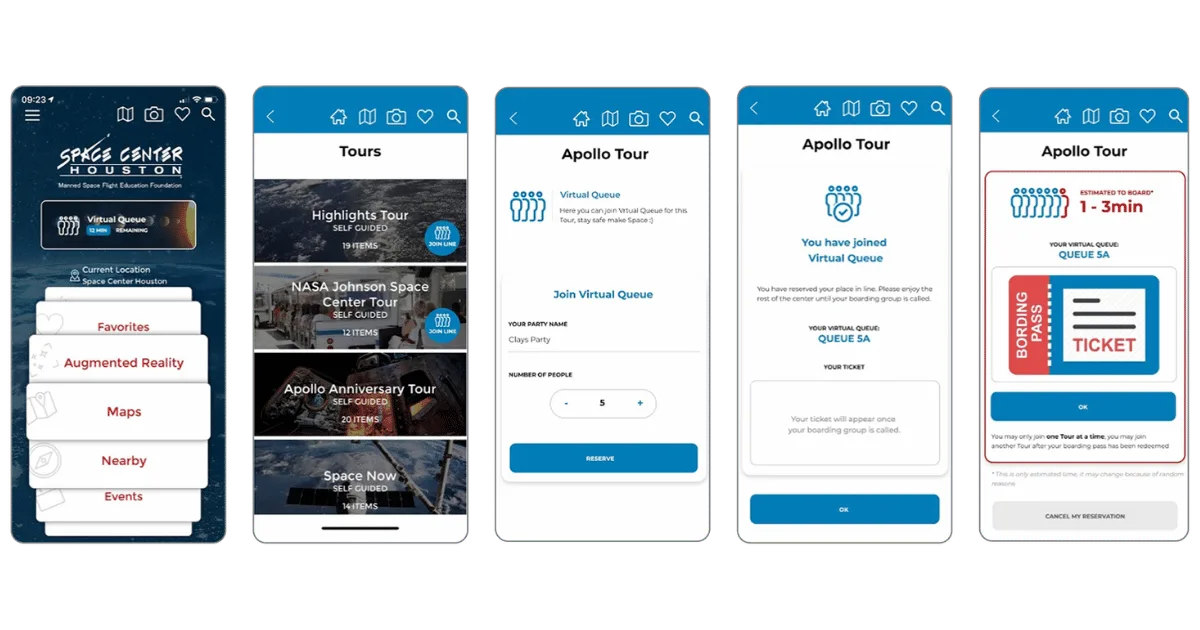
Virtual queues reduced crowding.
Remote visitors could explore virtual tours from home.
The app became useful before, during, and after the visit.
Even with reduced attendance, downloads and engagement increased substantially because the digital experience solved real visitor needs.
Each museum chose a different path.
But they all shared several characteristics.
Those decisions had a much greater impact than the pandemic itself.
At the time of our MCN presentation, it was tempting to conclude that audiences had simply become "ready" for museum apps.
Several years later, our broader dataset tells a more complete story.
Visitors have always been willing to use technology that genuinely improves their experience.
What changed was that many museums became more intentional about integrating digital experiences into interpretation, operations, and visitor services.
That shift is what drove stronger adoption.
The pandemic accelerated digital transformation, but it did not guarantee successful museum apps.
Institutions that simply launched an app did not automatically see higher engagement.
The museums that continued to outperform were the ones that:
That remains true today.
The technology matters.
But the strategy around it matters far more.
Want to see what this could look like at your institution?
Explore more ideas and examples on the Guru Experience website, follow us on LinkedIn, or get in touch with our team to talk about what might make sense for your visitor experience.
Behind the scenes of how we turn museum stories into interactive, accessible experiences - plus what we’re learning along the way