Summer of AR
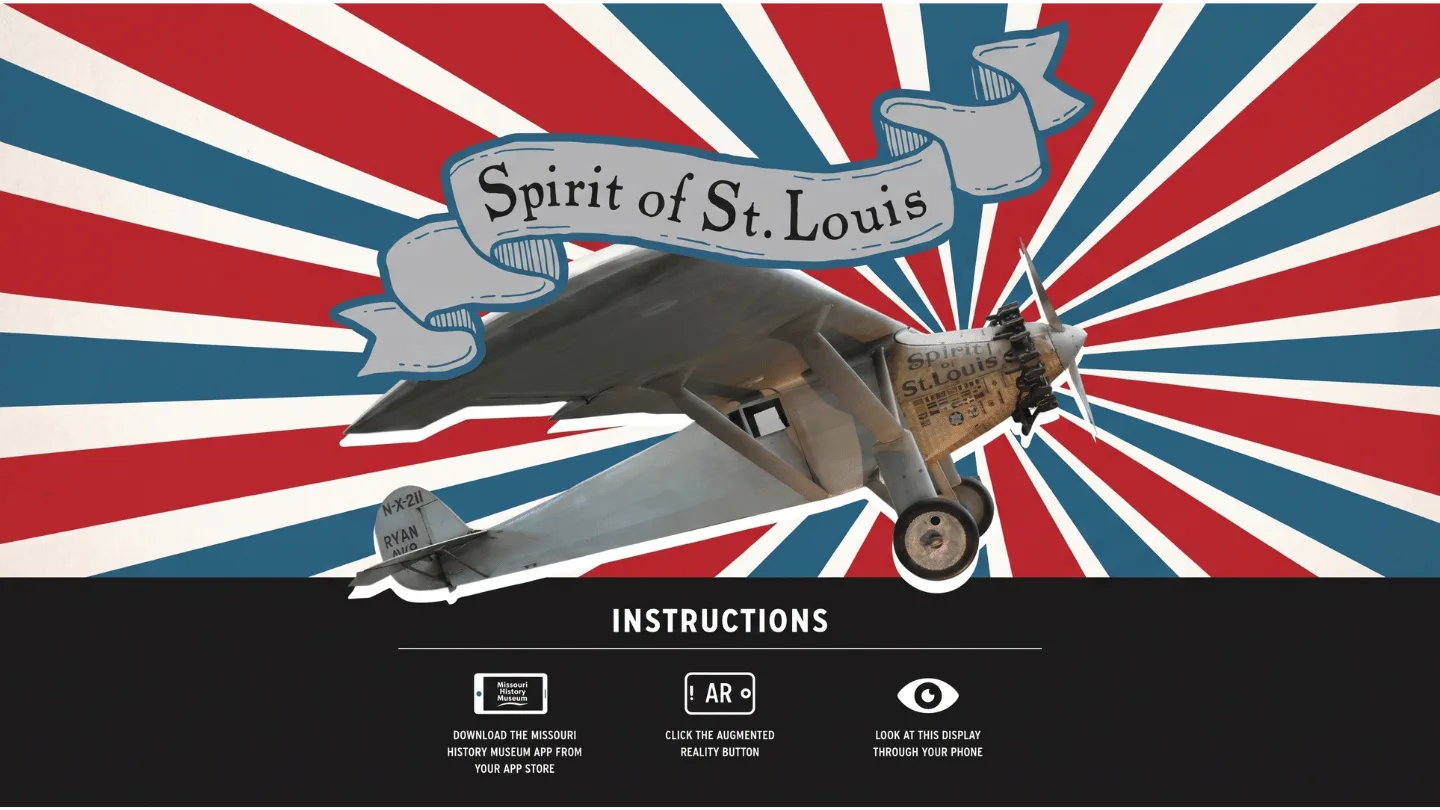
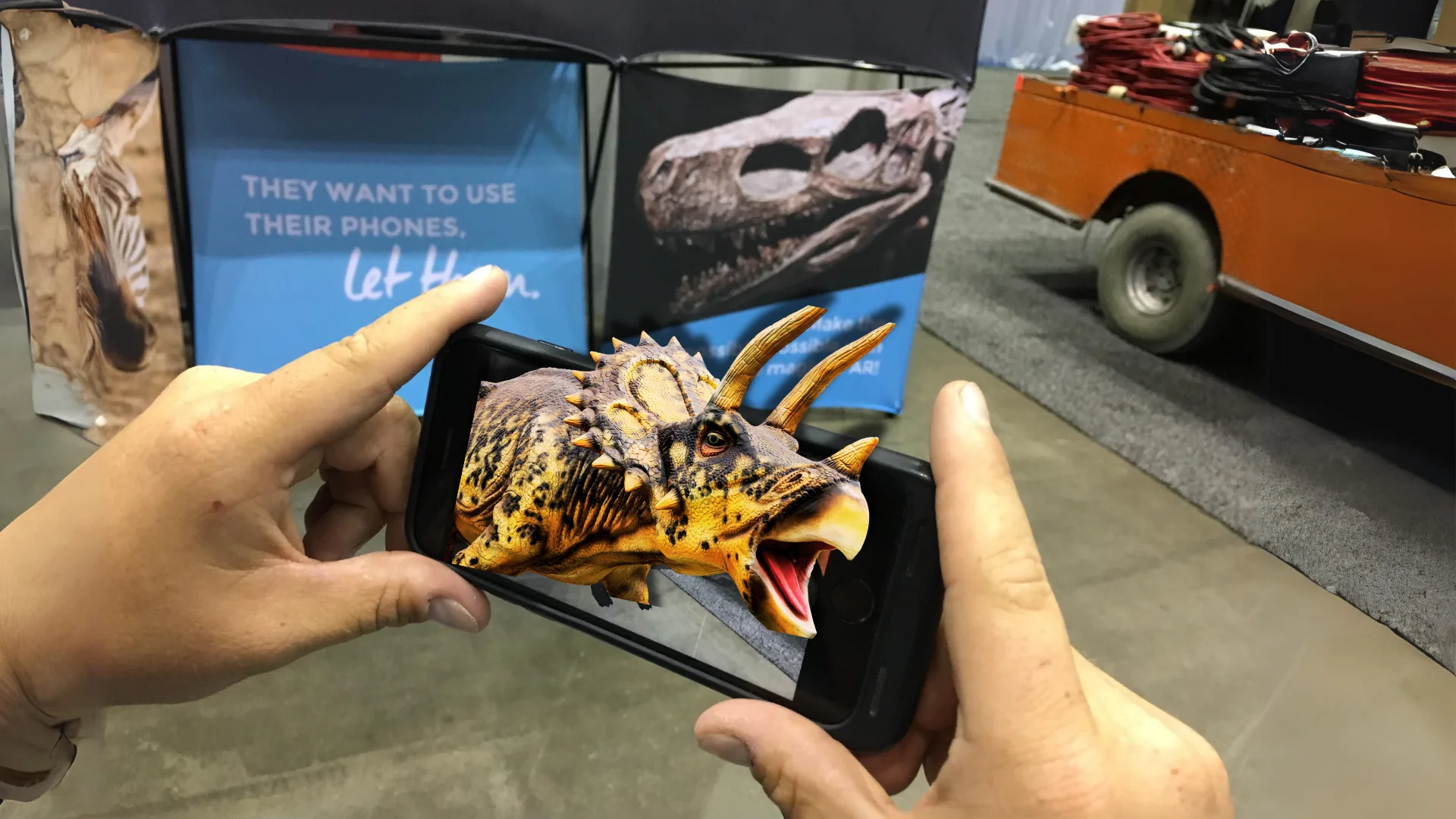
Four outstanding examples of cultural institutions putting augmented reality to work.




Data. It’s a small word, but it can make the difference between a successful acquisition campaign and a waste of funds. So how do cultural institutions use data to create impactful and efficient acquisition strategies, generate revenue, and build better visitor experiences? In this article series, the financial and data analytics experts here at Guru — who have worked with museums, zoos and heritage sites — identify the ways in which data can alleviate the most pressing issues of a cultural institution and help meet goals. We start our first article with a question:
Read our Blooloop Article Here

Museums, zoos, and cultural institutions thrive on a fundamental curiosity—the desire to explore, learn, and engage with the world around us. Yet, effectively reaching visitors without excessive marketing spend can be challenging. Enter Visitor Acquisition Cost (VAC), a crucial metric representing expenses associated with attracting new visitors, including advertising, public relations, community engagement, and other promotional efforts.
Many institutions still rely on broad, untargeted methods—often described as the "spray and pray" approach. Think of billboards on highways: while highly visible, their generalized messaging doesn’t guarantee engagement or actual visitation. Instead, savvy cultural organizations are turning to targeted strategies driven by visitor data, significantly lowering their VAC.
Harnessing detailed visitor insights—including demographics, geographic location, and personal interests—allows marketing teams to craft personalized, relevant messages. This precision targeting ensures institutions connect meaningfully with audiences, promoting exhibitions, special events, and tailored offers that genuinely resonate. As a result, visitor acquisition becomes more efficient, cost-effective, and impactful.
By learning more about the demographic details of your audience, you can identify audience disparities, capitalize on targeting opportunities, and get a more complete picture of the kind of visitors your institution attracts or doesn’t. Understanding who is more likely to engage in conversions–such as donations, memberships, and special events–will allow your marketing team to advertise certain features of your institution where they will be received best. If your older visitors tend to sign up for more memberships, you can allocate resources to capitalize on that interest. If you see that middle-class visitors frequently attend special events, your acquisition team can put their efforts into communicating upcoming events to those visitors (and strategize differently for others). The more you know about your visitors, the better you can judge which campaign efforts will be most successful with which demographics, rather than using a one-size-fits-all marketing effort with a smaller margin of success.
Geographic visitor data can illuminate key opportunities for marketing teams to invest in new and existing audiences. Understanding everything from where your visitors are coming from to how they are arriving at your institution can give you a better insight into where to focus your marketing efforts. If you notice a large portion of visitors coming from a neighboring state, you can focus your marketing efforts on those regions and tailor the best possible experience for those visitors. Visitors from out of state might also require nearby food and accommodation, giving you an opportunity to partner with hotels and restaurants to encourage visitors into your museum, zoo, or cultural site. Do you notice a large amount of visitors that come from out of the country? Maybe it’s time to review what language options are available for those visitors to ensure a positive and accessible experience.
Compiling visitors’ geographic data can also shed light on an institution’s understanding about their local audience. Let’s say your marketing team believes local visitors are predominantly one income bracket or age group. If the data confirms your hypothesis, your acquisitions teams can have a better understanding of where to focus your resources and continue campaign efforts. If not, the data on your local visitors can give you a comprehensive idea of who you are attracting to the institution. The data can also inform you how to re-strategize your marketing efforts to capture a deeper interest in your nearby audience.
Understanding visitor interests is key to leading targeted marketing campaigns and exhibition development to help reduce acquisition costs. This information can help you form an in-depth understanding of your visitors and what specific marketing efforts, exhibitions, and events will have the most success with which visitors. A visitor who does not frequent the contemporary art wing of your art museum will most likely ignore or be annoyed by an email notification about the latest contemporary exhibit. But if that visitor is excited by impressionist art, an email notification about an upcoming impressionist event or exhibition will lead to a higher chance of visitor attendance and spending. In a similar vein, knowing a visitor’s favorite animal exhibit at a zoo can benefit acquisition in multiple ways. Marketing teams can advertise special animal demonstrations, donation opportunities, or merchandise sales around that animal directly to the visitor.
Beyond specific museum or zoo interests, user data surrounding where and how visitors shop, dine, and spend their free time can paint a more complete picture of your audience. Is your visitor a foodie? Why not let them know about upcoming fundraising dinners provided by local food celebrities? Is your visitor an online shopper with children? Let them know about the educational tools and toys available on sale at your online gift shop. Is your visitor obsessed with fitness? Maybe they would be interested in participating in your institution’s fundraising run. By learning more about the visitor’s interests, institutions will be able to give their audience more of what they want, enhancing their experience and increasing likelihood of continuous investment and involvement in your cultural institution.

Demographics, interests, and geographic information are all key components in understanding the visitor as a whole. For example, knowing your local, middle-class visitors tend to spend more time engaging in outdoor activities can make a huge difference in building successful and targeted marketing strategies. Visitors who fit a similar description will most likely respond similarly to certain marketing efforts, giving your acquisition team a clear template for effective campaigns.
This data can also paint a fuller picture of the potential visitors who aren’t coming. Once all of this data is compiled, you will be able to identify the kinds of people that your cultural institution isn’t attracting. You may see large numbers of local seniors and retiree visitors but a lack of local middle-aged, high-income thrill seekers. The insights into which kinds of people aren’t coming into your cultural institution will be invaluable and allow your acquisition teams to develop targeting methods that will entice those soon-to-be visitors.
Data gives your institution the ability to use marketing and content development resources in the most impactful and efficient way possible. Once you build a better understanding of your audience and establish acquisition strategies based on those findings, your zoo, museum, or cultural site is working from evidence rather than guesswork.
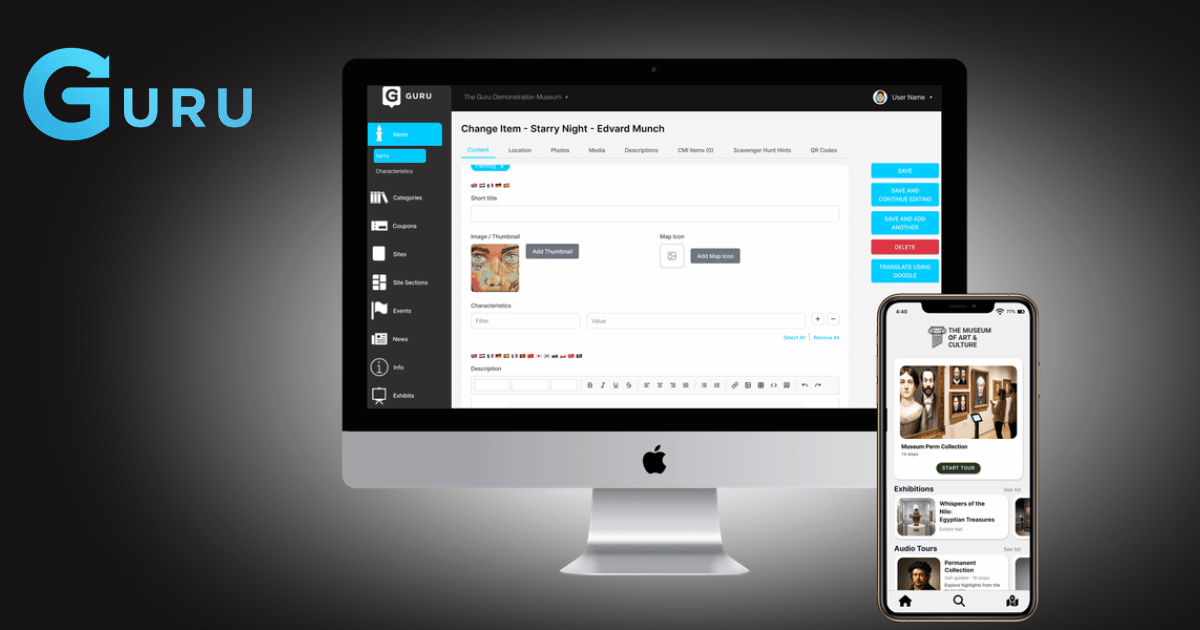
We built Guru around this idea. Our platform compiles detailed information about how visitors actually use your app, presented in an easy-to-use visitor data dashboard with both real-time and monthly reports, so you can establish benchmarks and spot opportunities and areas of growth. It can also bring in your institution’s other vital data — such as membership, CRM and ticketing — scoped to the systems you run, since what’s possible depends on each system’s API.
Interested in how data can benefit your museum, zoo, or cultural institution? Visit our contact us page and ask us how Guru increased targeted merchandise sales 170% year-over-year.
Behind the scenes of how we turn museum stories into interactive, accessible experiences - plus what we’re learning along the way