What the Pandemic Really Taught Us About Museum Apps
At MCN 2021 we shared app data from three museums. Several years on, that data tells a more complete story about what really drives adoption.



It’s tempting to think of a museum app as a one-institution, one-tour tool. Balboa Park shows how much more a mobile tour app can carry — meeting different needs across departments and across an entire campus of institutions.

Balboa Park dazzles visitors with its 1200 acres of parkland, 30 cultural institutions, and 17 parking lots. With that much to choose from, the park needed a better way to help visitors navigate, find the events and exhibits that interested them, and fully enjoy everything on offer. In the testimonial video below, the Balboa Park team explains how their app does exactly that.
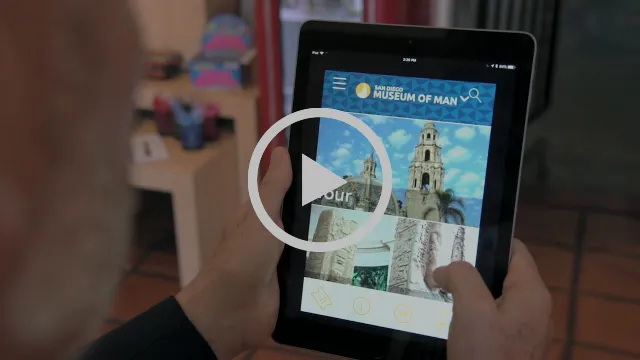
Watch the Balboa Park testimonial video
With the Guru mobile tour app, visitors can navigate around Balboa Park, find out what’s going on nearby and in the museums, and shape their own visit from the palm of their hand.
An app-within-the-app design encourages visitors to step inside the museums as well as explore the park.
And with over a dozen parking lots to choose from, visitors especially love the app’s Find My Car feature.
Real-time access to visitor behavior, visitor paths, engagement metrics, and more. As Nik puts it, “We’re actually able to make decisions on the data we’re generating out of the park.”
Multiple institutions united under one centralized CMS backend, giving the park a more comprehensive picture of visitor data.
For us, Balboa Park is a reminder that a visitor app works best when it helps people find their way to the experiences they came for — the technology stays in the background, and the visit comes first. If helping visitors navigate a large campus is one of your challenges, our museum wayfinding page covers how we approach it.
Behind the scenes of how we turn museum stories into interactive, accessible experiences - plus what we’re learning along the way