Woman of Distinction
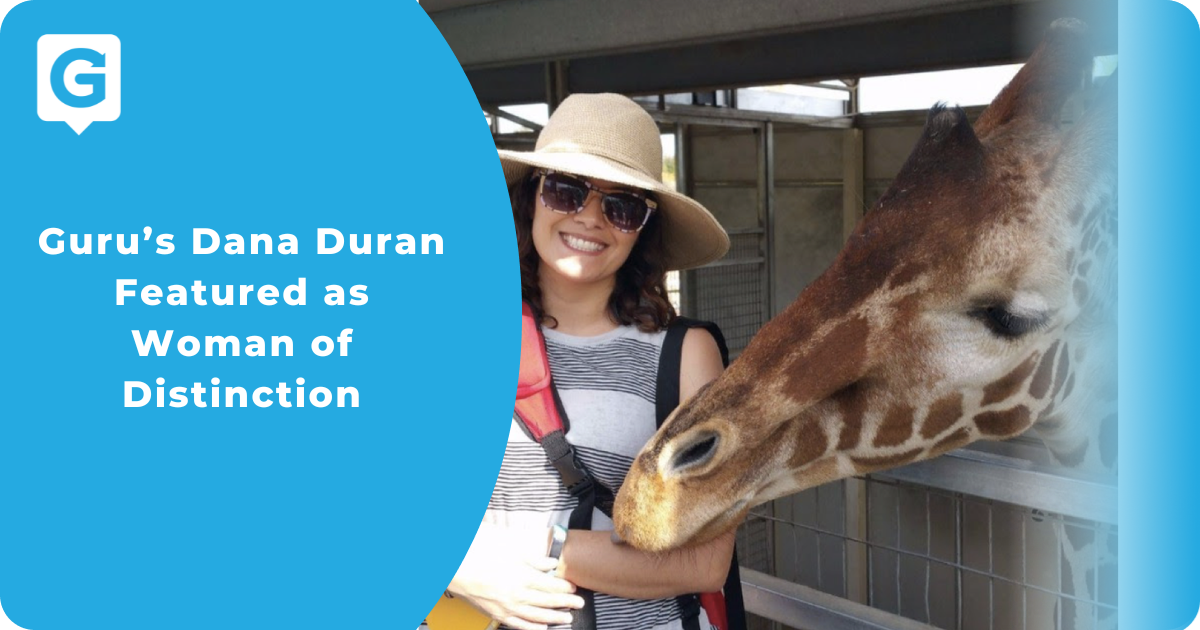
🌟 Guru’s Director of Content Recognized by San Diego Woman Magazine🙌




If storytelling in a museum is king, then digital storytelling must be the queen. They go hand-in-hand, both sharing the throne that is museum engagement.
We first wrote this as visitors were returning after the pandemic, and the point it made still holds. Whether you were trying to reach visitors at home, stay connected to audiences who could not travel to you, hold younger visitors’ attention, or offer a touchless experience, a considered digital storytelling strategy was — and remains — worth the effort.
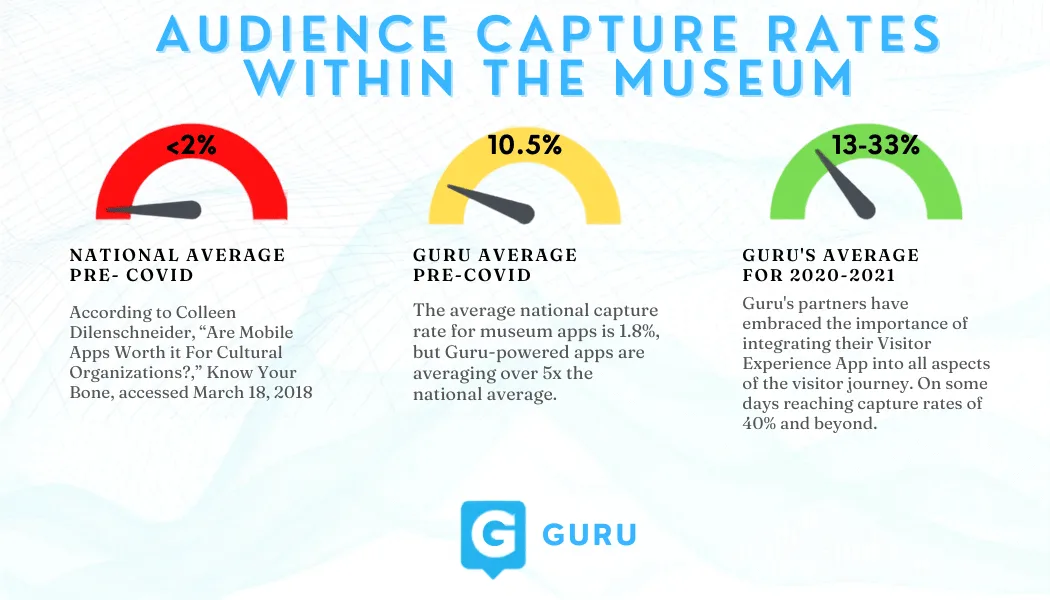
The numbers from that period made the case plainly. Museum apps nationally captured under 2 percent of their audiences. Our own portfolio capture rate ran at 10.5% in 2019, then rose to 20.3% in 2020 and 18.5% in 2021 as apps replaced shared handsets and printed guides.
Many teams came out of that period stretched thin, wearing even more hats than usual, and strategy work can feel daunting when you are short-handed — sometimes near impossible. We are happy to help, and you do not have to hire us to use what follows. From our team, here are the questions to ask and the places to start when your institution wants to get moving on its next digital storytelling initiative.
Convene leaders from every — yes, every — department. Digital storytelling is not relevant to only educators, or only visitor services, or only curatorial. For a digital storytelling strategy to succeed, all teams need to be on board and feel they have agency and input in what should be a consistent, institution-wide strategy. When you get everyone in one room together, the slow-moving task of gaining consensus can immediately take off.
Gather consensus on how digital storytelling can satisfy the needs and goals of each department. Can it increase membership engagement? Can it generate a new source of revenue? Can it raise your standing with younger audiences? Can it strengthen your reputation? Can it further your accessibility initiatives?
All teams need to be on board and feel they have agency and input in what should be a consistent, institution-wide strategy.
What single approach can serve the goals each department has named? Brainstorm options, then assign a strategy team — again with a representative from each department — to explore how institution-wide needs can align with institution-wide solutions. To us, holistic means:
Easier said than done — but you might be surprised how much more smoothly a digital initiative rolls out when the entire institution is behind it.
Wondering what an institution-wide platform could look like for your team? Our overview of museum solutions is a good place to start — and if you would rather think it through out loud, we are always glad to chat.
Behind the scenes of how we turn museum stories into interactive, accessible experiences - plus what we’re learning along the way